Foil Iron-On vs. Foil Transfer: A Practical Comparison
Foil iron-on and foil transfer are popular techniques used in crafting to add a shiny, metallic finish to various projects. While they might seem similar at first glance, each method has distinct features, benefits, and applications. Understanding these differences can help you choose the best technique for your project.
What is Foil Iron-On?
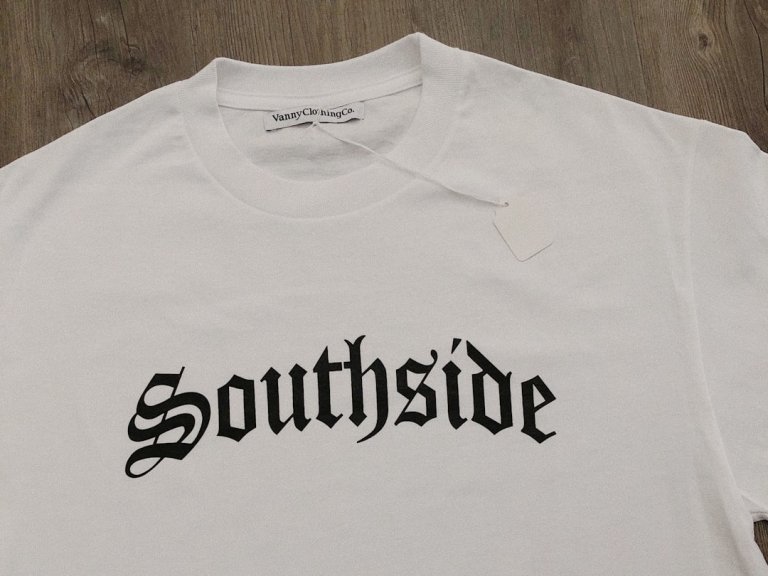
Foil iron-on is a type of heat transfer vinyl (HTV) that is applied to fabrics using a heat source, such as an iron or a heat press. This method is popular for customizing clothing, accessories, and home décor items.
Key Features:
- Requires a heat source for application.
- Offers a wide range of colors and finishes.
- Durable and washable when applied correctly.
What is Foil Transfer?
Foil transfer involves using a special adhesive to apply metallic foil to a surface. This method is primarily used for paper crafts, such as greeting cards, invitations, and scrapbook pages.
Key Features:
- Uses adhesive and a laminator or heat source for application.
- Available in various colors and patterns.
- Ideal for smooth surfaces like paper.
Application Process
Foil Iron-On Process:
- Design and cut your pattern using a cutting machine.
- Weed the excess material from your design.
- Preheat your fabric and place the foil iron-on shiny side up.
- Apply heat using an iron or heat press, following the manufacturer’s instructions.
- Peel away the backing sheet once cooled.
Foil Transfer Process:
- Print or stamp your design using foil transfer adhesive.
- Allow the adhesive to become tacky.
- Place the foil sheet, shiny side up, over the adhesive.
- Run through a laminator or apply heat with an iron.
- Peel away the foil sheet to reveal the transferred design.
Pros and Cons
Foil Iron-On Pros:
- Long-lasting and washable when applied to fabric.
- Easy to use with a variety of fabrics.
- Wide availability of colors and finishes.
Foil Iron-On Cons:
- Requires precise heat application for best results.
- Not suitable for non-fabric surfaces.
Foil Transfer Pros:
- Excellent for intricate designs on paper.
- Simple process with minimal equipment.
- Great for adding metallic details to stationery.
Foil Transfer Cons:
- Less durable than foil iron-on.
- Limited to smooth surfaces like paper.
Choosing the Right Method
When deciding between foil iron-on and foil transfer, consider the surface you are working with and the durability required. Foil iron-on is ideal for fabric projects that will be washed or handled frequently. In contrast, foil transfer is perfect for paper crafts where intricate details and a smooth finish are desired.
Conclusion
Both foil iron-on and foil transfer offer unique advantages for adding metallic flair to your projects. By understanding their differences and applications, you can select the best method to achieve stunning results in your crafting endeavors.