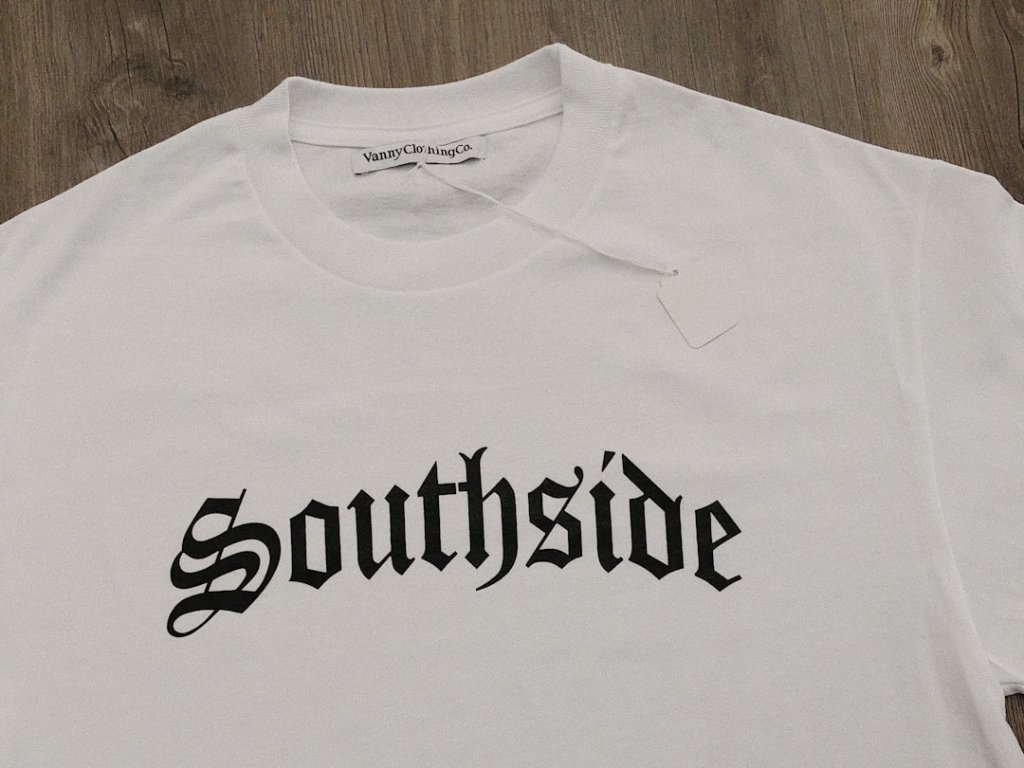
HTV Cotton vs Polyester: A Practical Guide
Heat Transfer Vinyl (HTV) is a popular choice for customizing fabrics. When working with HTV, the type of fabric you choose can significantly impact the final result. Two of the most common fabrics used are cotton and polyester. Each has its own characteristics, benefits, and limitations. This guide will help you understand the differences between HTV on cotton and polyester to make the best choice for your projects.
HTV on Cotton
Cotton is a natural fiber known for its softness, breathability, and comfort. It is widely used in clothing and is a favorite for HTV projects. Here’s why:
- Heat Resistance: Cotton can withstand the high temperatures required for HTV application, making it less likely to scorch or burn.
- Adhesion: HTV adheres well to cotton, providing a durable bond that can withstand multiple washes.
- Vibrant Colors: Cotton’s natural fibers allow HTV colors to appear vibrant and vivid.
However, it’s important to note that cotton can shrink when exposed to heat. Pre-washing cotton garments is recommended to prevent unwanted shrinkage after the HTV application.
HTV on Polyester
Polyester is a synthetic fabric known for its durability and resistance to wrinkles and shrinking. When using HTV on polyester, consider the following:
- Heat Sensitivity: Polyester is more sensitive to heat than cotton. It requires lower pressing temperatures to prevent melting or scorching.
- Durability: HTV can adhere well to polyester, but the lower heat tolerance means careful temperature and time management is crucial.
- Color Fastness: Polyester holds color well, ensuring that HTV designs remain vibrant over time.
Using a heat press with adjustable temperature settings can help achieve the best results with polyester without damaging the fabric.
Choosing Between Cotton and Polyester
When deciding between cotton and polyester for your HTV project, consider the following factors:
- Project Type: For everyday wear, cotton offers comfort and breathability. For sportswear or outdoor apparel, polyester provides durability and moisture-wicking properties.
- Design Longevity: Both fabrics can hold HTV well, but cotton generally provides a longer-lasting bond with less risk of peeling.
- Fabric Care: Consider the care instructions of the fabric. Cotton may require more careful washing to prevent fading, whereas polyester is typically more resilient.
Tips for Successful HTV Application
- Test First: Always test a small area of the fabric to ensure it can handle the heat and that the HTV adheres properly.
- Use Proper Tools: A heat press provides more consistent results than a household iron, especially for polyester.
- Follow Instructions: Adhere to the HTV manufacturer’s guidelines for temperature, pressure, and time to ensure the best outcome.
By understanding the characteristics of cotton and polyester, you can make informed decisions about which fabric to use for your HTV projects. Each material offers unique advantages, and the right choice will depend on your specific needs and the desired outcome of your project.