Choosing Between Fonts and SVG Graphics
When designing a website or digital product, selecting the right visual elements is crucial for both aesthetics and performance. Two popular options for adding scalable vector graphics are fonts and SVG (Scalable Vector Graphics). Each has its strengths and weaknesses, and the choice often depends on the specific needs of your project.
Understanding Fonts and SVG Graphics
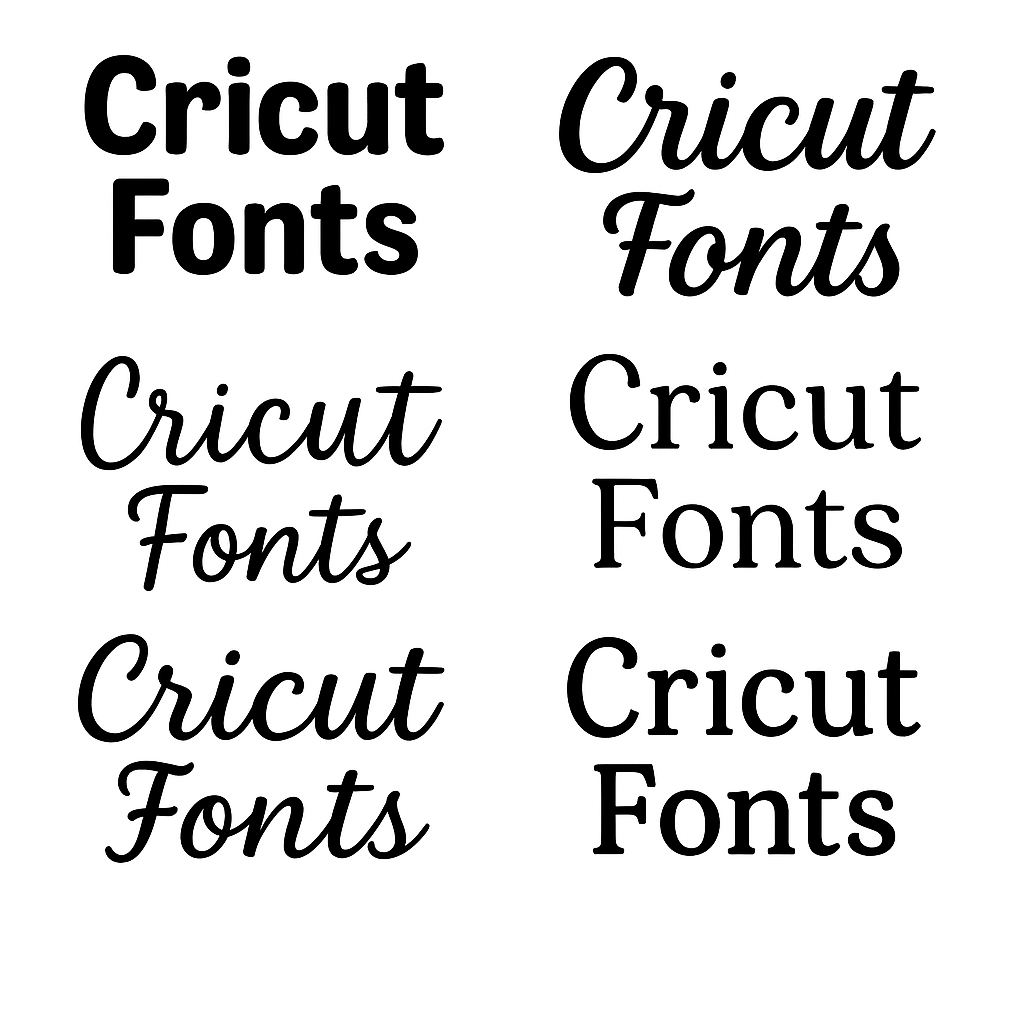
Fonts: Traditionally used for text, fonts can also include icons and symbols. Icon fonts, such as Font Awesome, allow designers to use scalable icons that adapt to different screen sizes without losing quality.
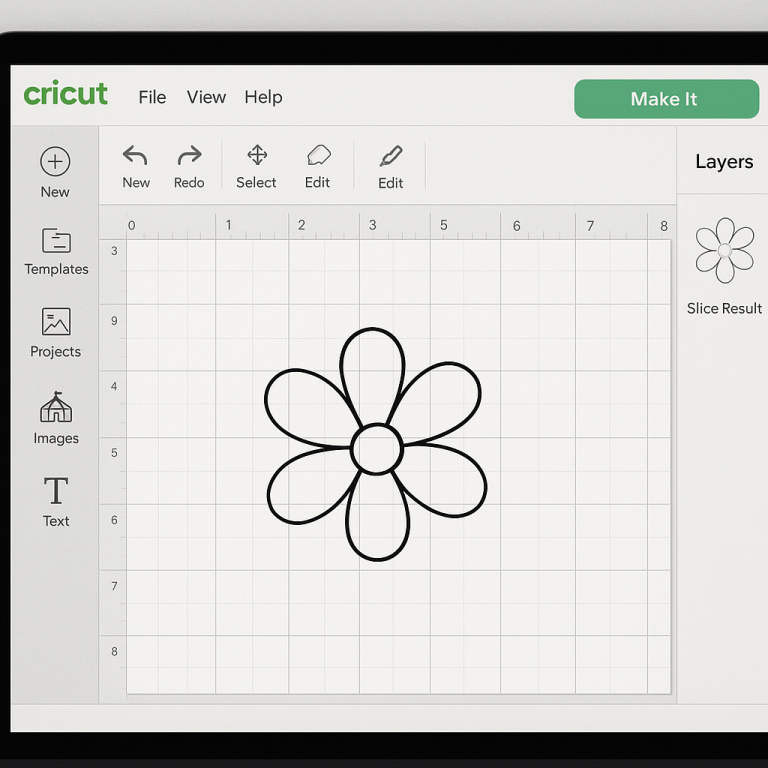
SVG Graphics: SVG is an XML-based format for vector graphics, allowing for high-quality rendering at any size. SVG files can contain complex graphics and are highly customizable with CSS and JavaScript.
Benefits of Using Fonts
- Ease of Use: Fonts are easy to implement using CSS, making them a simple option for adding icons to a website.
- Scalability: Icons in fonts scale seamlessly with text, ensuring they look crisp on any device.
- Performance: Font files can be cached by browsers, which helps improve load times when the same font is used across multiple pages.
Drawbacks of Using Fonts
- Limited Customization: Font icons are limited to the styles defined in the font file, which can restrict design flexibility.
- Accessibility: Icons used as fonts may not always be accessible to screen readers unless properly labeled.
- Overhead: Loading an entire icon font file for just a few icons can be inefficient.
Benefits of Using SVG Graphics
- Full Customization: SVGs can be styled with CSS and manipulated with JavaScript, allowing for dynamic and interactive designs.
- Accessibility: SVGs can include accessible descriptions and titles, improving usability for screen readers.
- Performance: SVGs can be optimized and compressed to reduce file size, resulting in faster load times.
Drawbacks of Using SVG Graphics
- Complexity: SVGs can be more complex to implement, especially if they require advanced styling or scripting.
- Rendering Issues: Inconsistent rendering across different browsers can sometimes occur, requiring additional testing.
When to Choose Fonts
Fonts are ideal when you need simple, scalable icons that integrate seamlessly with text. They are perfect for projects where ease of use and fast implementation are priorities, such as blogs or content-heavy websites.
When to Choose SVG Graphics
SVGs are best suited for projects requiring detailed graphics or when customization and interactivity are essential. Use SVGs for data visualizations, complex icons, or when you need precise control over the appearance of your graphics.
Conclusion
Choosing between fonts and SVG graphics depends on your specific project requirements. Consider the level of customization, performance needs, and accessibility when making your decision. By understanding the strengths and limitations of each option, you can select the best solution to enhance your design and user experience.