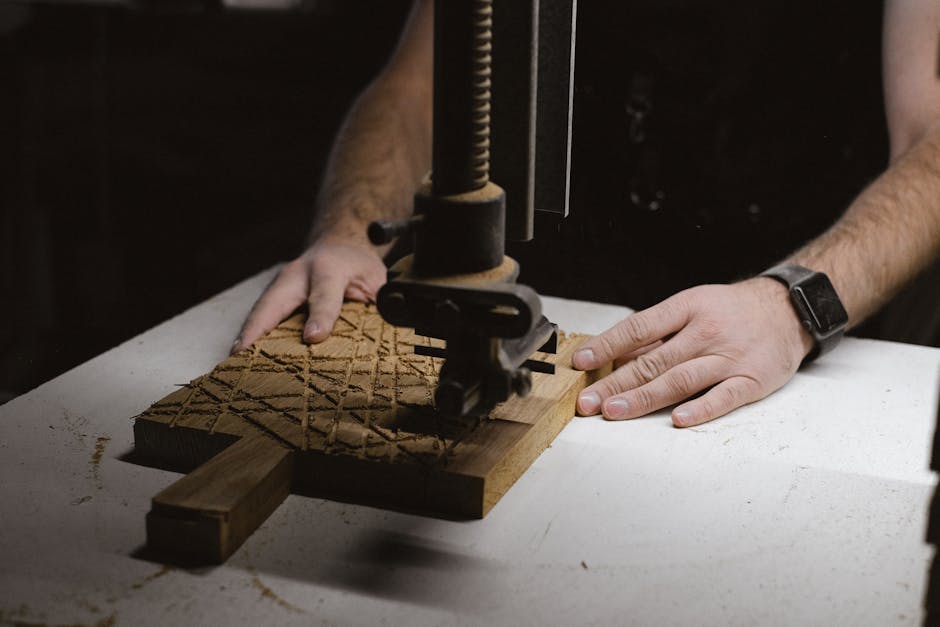
Understanding Tool Systems in Crafting
Crafting has evolved significantly with the introduction of advanced tool systems. These systems are designed to enhance precision, efficiency, and creativity in various projects. Understanding the intricacies of tool systems is essential for maximizing their potential in crafting.
Key Components of Tool Systems
- Cutting Tools: These include blades, rotary cutters, and scissors, each designed for specific materials and cutting styles.
- Measuring Tools: Rulers, tapes, and digital calipers ensure precise measurements for accurate cuts and designs.
- Adhesive Tools: Glue guns, tapes, and adhesive sheets are vital for assembling and securing craft projects.
- Design Software: Many tool systems integrate with software that allows users to create and refine designs before execution.
Benefits of Modern Tool Systems
- Precision: Advanced tools provide high accuracy, reducing errors and waste.
- Efficiency: Automated features speed up the crafting process, allowing more projects in less time.
- Versatility: Many systems are adaptable, capable of handling various materials and tasks.
Print-Then-Cut: A Versatile Crafting Technique
The print-then-cut method combines digital printing with precise cutting, offering a world of possibilities for crafters. This technique is particularly popular for creating stickers, decals, and intricate paper crafts.
How Print-Then-Cut Works
- Design Creation: Use design software to create or import your desired image.
- Printing: Print the design onto suitable material using a compatible printer.
- Cutting: Place the printed material in a cutting machine, which reads registration marks to ensure accurate cuts around the design.
Advantages of Print-Then-Cut
- Customization: Easily create personalized designs for unique projects.
- Accuracy: Cutting machines offer precise cuts, enhancing the quality of the final product.
- Efficiency: The process is streamlined, reducing manual effort and time.
Tool System vs. Print-Then-Cut: A Comparative Analysis
When deciding between a traditional tool system and the print-then-cut method, consider the following factors:
Project Requirements
Traditional tool systems are ideal for projects requiring manual manipulation and a hands-on approach, such as woodworking or fabric crafts. In contrast, print-then-cut is perfect for paper-based projects that benefit from digital precision.
Material Compatibility
Tool systems can handle a wide range of materials, from textiles to metals. Print-then-cut is typically limited to paper, vinyl, and similar materials, making it less versatile in terms of material options.
Skill Level
Print-then-cut is user-friendly, suitable for beginners who want to achieve professional-looking results. Traditional tool systems may require more skill and experience to operate effectively.
Investment and Cost
Tool systems often require a more significant initial investment but can be more cost-effective over time for frequent users. Print-then-cut setups might have lower startup costs but can incur ongoing expenses for materials and printer maintenance.
Conclusion
Both tool systems and the print-then-cut method offer unique benefits tailored to different crafting needs. Understanding the strengths and limitations of each will help you choose the best approach for your creative projects.