Materials That Work Best with SVG Designs
Scalable Vector Graphics (SVG) is a versatile format used for creating high-quality images that can be scaled without losing resolution. When designing with SVG, choosing the right material is crucial to ensure the final product meets your expectations. Below, we explore some of the best materials for SVG designs, considering factors like durability, appearance, and application.
1. Paper and Cardstock
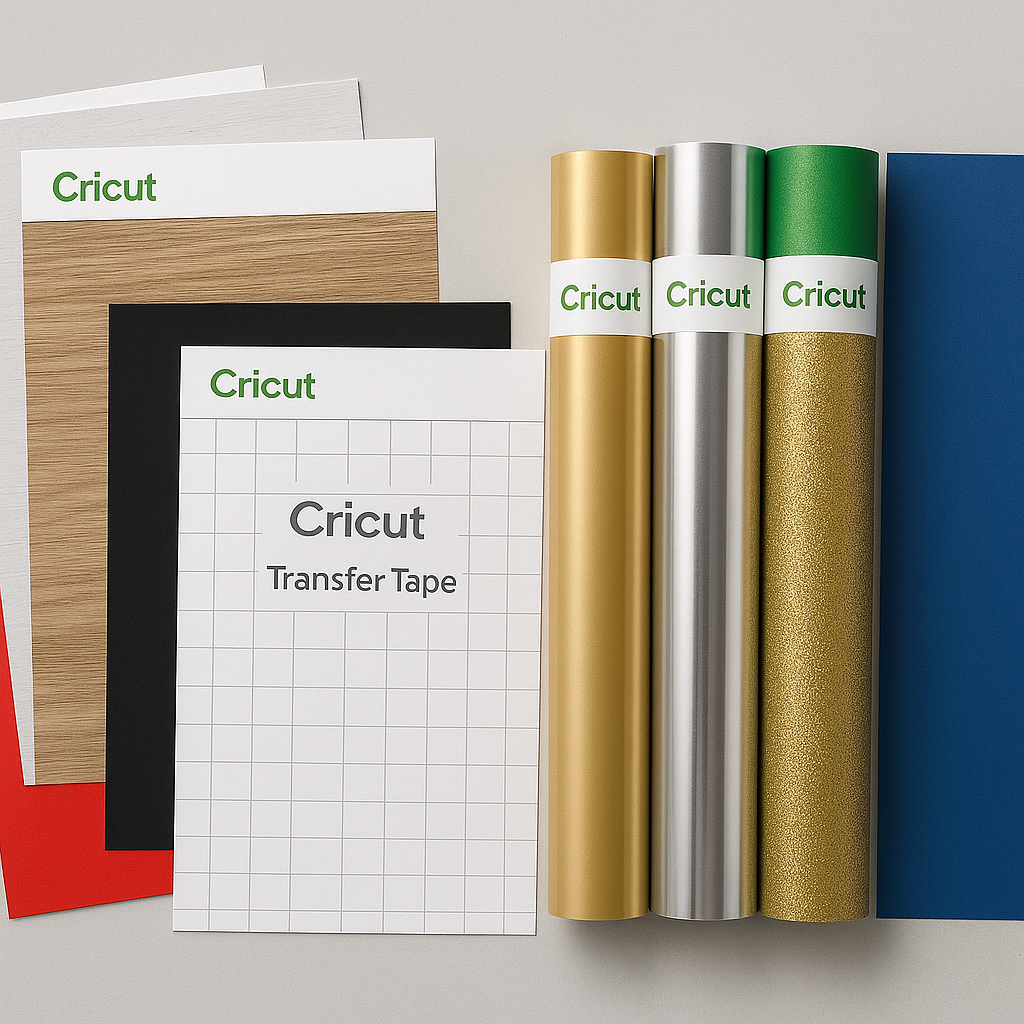
Paper and cardstock are popular materials for SVG designs, especially in crafting and stationery. These materials are cost-effective and easy to work with, making them ideal for:
- Greeting cards
- Invitations
- Scrapbooking
- Paper crafts
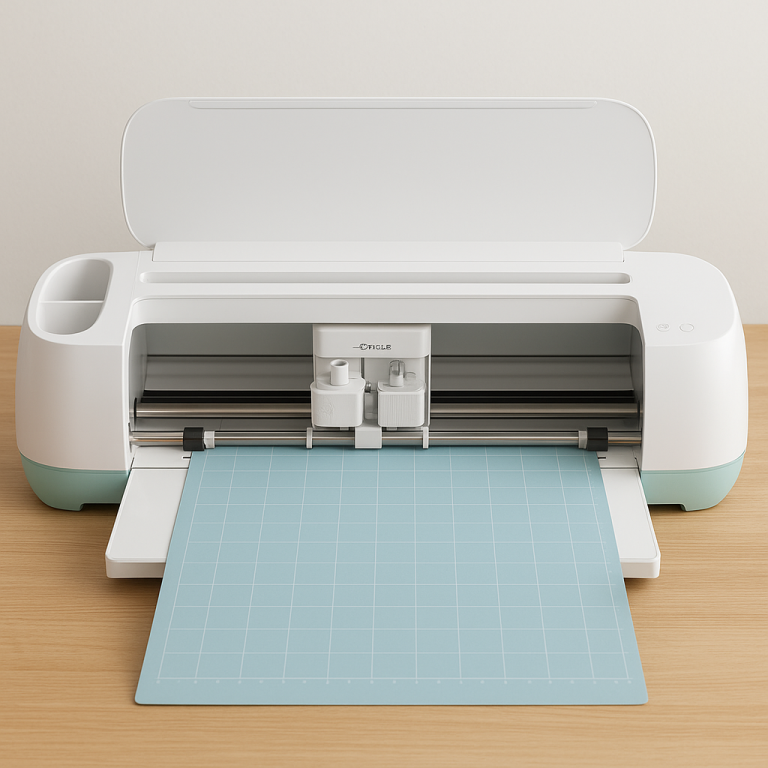
When using SVG designs on paper, ensure your cutting machine is properly calibrated to achieve clean cuts and intricate details.
2. Vinyl
Vinyl is a versatile material perfect for a wide range of applications. It’s available in various finishes, such as matte, glossy, and metallic. Vinyl is commonly used for:
- Wall decals
- Car stickers
- Custom labels
- T-shirt designs
SVG designs translate well onto vinyl due to the material’s smooth surface and flexibility. It’s important to use transfer tape to apply vinyl designs accurately.
3. Fabric
SVG designs can be used on fabrics for creating personalized clothing and home decor. Options include:
- Cotton
- Polyester
- Canvas
- Linen
For fabric applications, using heat transfer vinyl (HTV) or fabric paint ensures the design adheres properly. SVG designs allow for intricate patterns that can be transferred onto fabric with precision.
4. Wood
Wood is an excellent choice for SVG designs when aiming for a rustic or natural look. Popular wood applications include:
- Signs
- Coasters
- Decorative panels
- Custom furniture accents
Laser cutting or engraving machines are typically used to apply SVG designs to wood, allowing for detailed and precise results.
5. Acrylic
Acrylic offers a modern and sleek appearance for SVG designs. It’s ideal for projects such as:
- Signage
- Awards and trophies
- Jewelry
- Decorative items
Using a laser cutter, you can achieve sharp and clean edges with SVG designs on acrylic. This material is available in various colors and transparencies, expanding your creative possibilities.
6. Metal
For more durable and long-lasting projects, metal is an excellent choice. Applications include:
- Engraved plaques
- Keychains
- Custom tags
- Industrial signage
Techniques like laser engraving or etching are used to apply SVG designs to metal surfaces, ensuring precision and durability.
Conclusion
Choosing the right material for your SVG designs depends on the intended application, desired aesthetic, and durability requirements. Whether you are working with paper, vinyl, fabric, wood, acrylic, or metal, SVG designs offer the flexibility and precision needed to create stunning and intricate projects. By understanding the characteristics of each material, you can make informed decisions and achieve the best results for your creative endeavors.