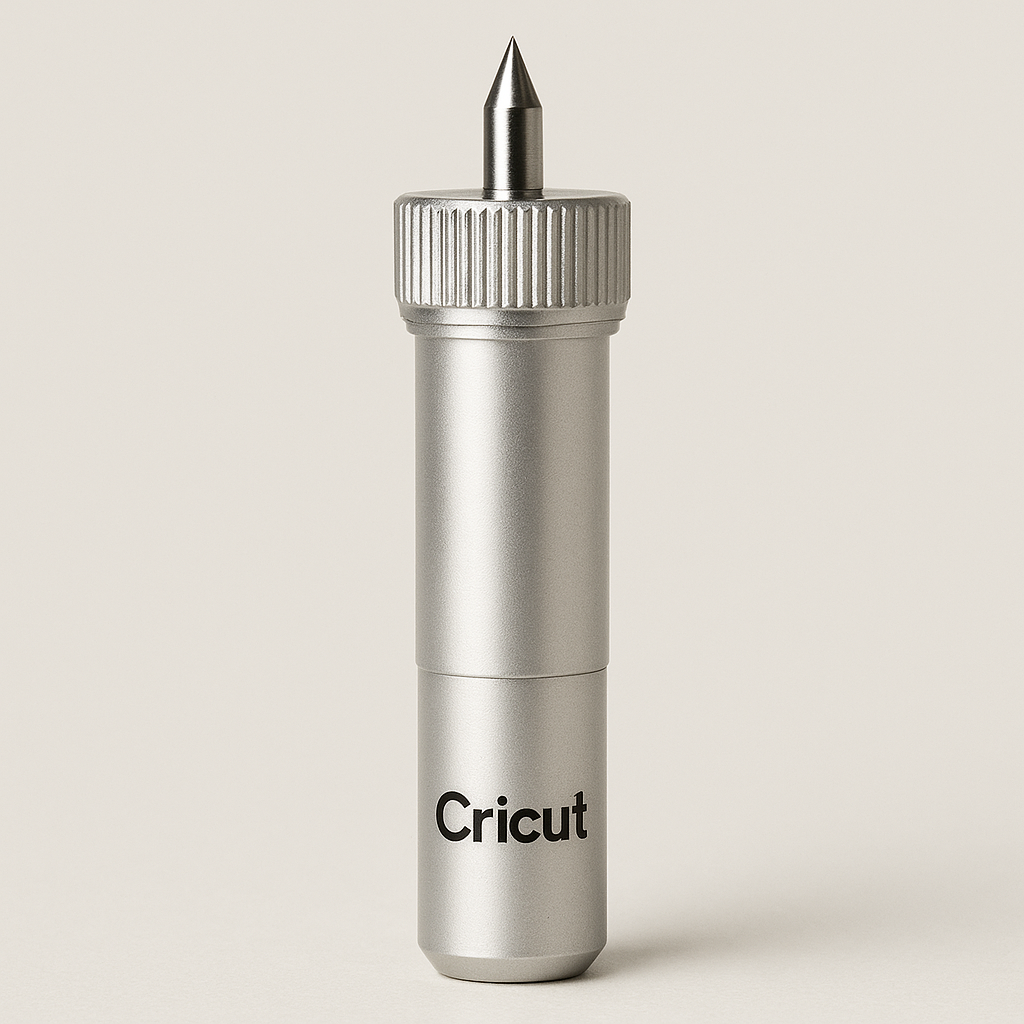
Choosing the Right Blade for SVG Cutting
When working with SVG cutting machines, selecting the correct blade is crucial for achieving clean, precise cuts. The right blade not only ensures quality results but also extends the life of your cutting machine. Here’s a practical guide to help you choose the right blade for your SVG projects.
Understanding Blade Types
SVG cutting machines generally use two main types of blades: standard and specialty. Each type is suited for different materials and cutting requirements.
- Standard Blades: These are versatile and suitable for cutting a variety of materials such as paper, vinyl, and cardstock.
- Specialty Blades: Designed for specific materials, such as fabric, thicker cardstock, or delicate materials like foil.
Key Factors in Blade Selection
Consider the following factors when selecting a blade:
- Material: The type and thickness of the material you’re cutting will dictate the blade choice. Thicker materials require blades with a steeper angle.
- Blade Angle: Common angles include 30, 45, and 60 degrees. A 45-degree blade is versatile for general use, while a 60-degree blade is better for intricate cuts on thicker materials.
- Blade Quality: High-quality blades last longer and provide cleaner cuts. Look for blades made from durable materials like tungsten carbide.
Common Blade Options
Here are some common blade options and their uses:
- 45-Degree Blade: Ideal for standard materials like paper and vinyl. It’s the go-to blade for everyday cutting tasks.
- 60-Degree Blade: Best for thicker materials and intricate designs. It provides more precision and depth.
- Deep-Cut Blade: Perfect for cutting thicker materials such as chipboard or foam. It has a longer blade to penetrate deeper into the material.
- Fabric Blade: Designed specifically for cutting fabric. It maintains sharpness even with fibrous materials.
Tips for Blade Maintenance
Proper maintenance extends the life of your blades and ensures consistent cutting performance.
- Regular Cleaning: Remove debris and residue after each use to prevent build-up. Use a soft brush or cloth to gently clean the blade.
- Proper Storage: Store blades in a dry, safe place to prevent rust and damage.
- Replace When Needed: If cuts become jagged or incomplete, it might be time to replace the blade.
Conclusion
Choosing the right blade for SVG cutting involves understanding your material, the blade type, and maintaining the blade properly. By considering these factors, you can achieve precise cuts and prolong the life of your cutting equipment. Always consult your cutting machine’s manual for specific recommendations, as compatibility can vary between models.