Understanding HTV Low Pile Fabric
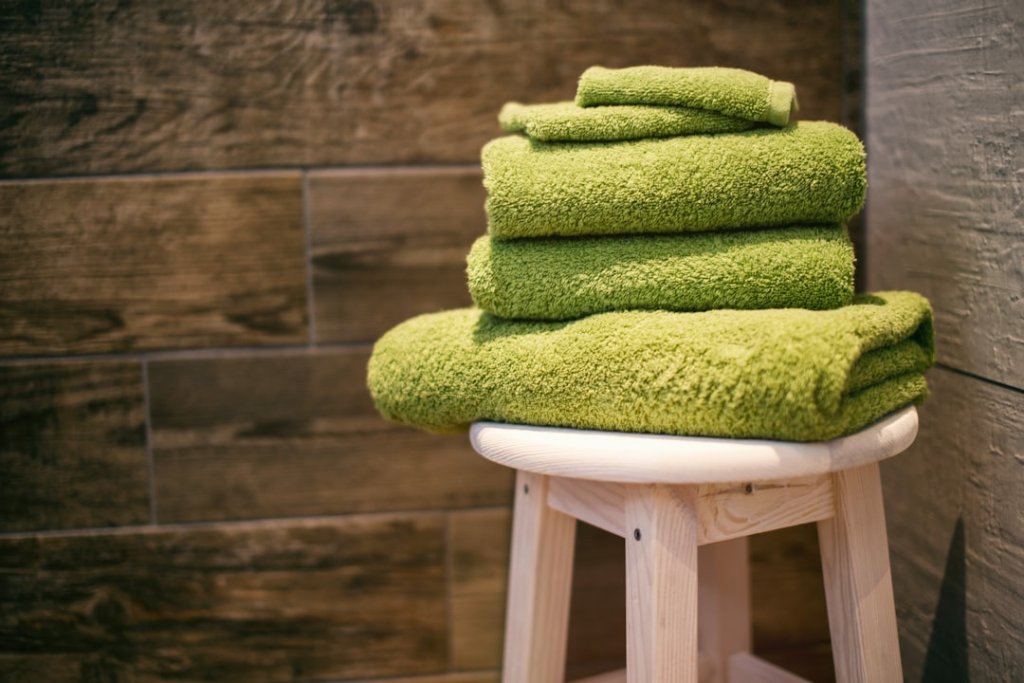
Heat Transfer Vinyl (HTV) is a popular choice for customizing low pile fabrics. These fabrics have a short, dense nap, making them ideal for HTV applications. Common low pile materials include certain types of upholstery, fleece, and some synthetic blends. Proper placement and care are crucial to ensure durability and appearance.
Placement Tips for HTV on Low Pile Fabrics
1. Prepare Your Fabric
Before applying HTV, pre-wash the fabric to remove any finishes or residues that might interfere with adhesion. Ensure the fabric is completely dry and wrinkle-free for the best results.
2. Positioning the HTV
- Measure and Mark: Use a ruler or measuring tape to determine the exact placement. Mark lightly with tailor’s chalk or a disappearing ink pen.
- Align Properly: Use the fabric’s texture as a guide to keep the HTV straight. A T-square or a grid mat can help in maintaining alignment.
- Secure the HTV: Use heat-resistant tape to keep the HTV in place before pressing. This prevents shifting during application.
3. Heat Press Settings
- Temperature: Set the heat press to the recommended temperature for the specific HTV type, usually between 305°F to 320°F (150°C to 160°C).
- Pressure: Use medium pressure to ensure the HTV adheres well without flattening the fabric’s texture.
- Time: Press for 10-15 seconds. Adjust as necessary based on test results.
Wash Care for HTV on Low Pile Fabrics
1. Initial Washing
Wait at least 24 hours after applying HTV before washing the fabric. This allows the adhesive to cure fully, ensuring better durability.
2. Washing Guidelines
- Temperature: Wash the fabric in cold or lukewarm water to prevent any adhesive weakening.
- Cycle Type: Use a gentle cycle to minimize agitation and protect the HTV design.
- Detergents: Opt for mild detergents without bleach or strong chemicals that could affect the HTV.
3. Drying and Ironing
- Drying: Air dry is preferable. If using a dryer, choose a low heat setting to avoid damaging the HTV.
- Ironing: Iron the fabric inside out if needed. Avoid direct contact with the HTV; use a pressing cloth if ironing over the design.
Conclusion
Applying and caring for HTV on low pile fabrics requires attention to detail and adherence to specific guidelines. Proper placement, heat application, and washing care will ensure your designs remain vibrant and durable over time. With these practical tips, you can confidently customize low pile fabrics with HTV, achieving professional results every time.