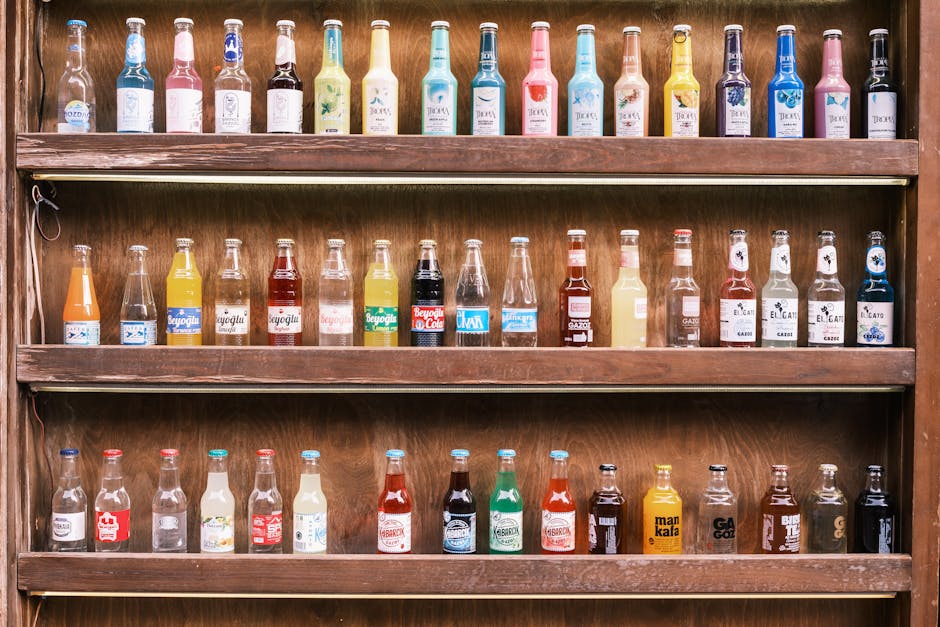
Effective Font Pairing for Label Design
Creating visually appealing labels involves more than just choosing colors and graphics. Font pairing plays a crucial role in ensuring your label is both attractive and readable. Here are some practical tips for effective font pairing:
- Contrast: Choose fonts that contrast well with each other. Pair a bold font with a light one to create a balanced look.
- Complement: Use fonts that complement each other in style. For instance, pair a serif font with a sans-serif for a classic yet modern look.
- Hierarchy: Establish a clear hierarchy by varying the font sizes. Use larger fonts for headings and smaller ones for additional information.
Optimal Label Sizes for Different Applications
Choosing the right size for your labels is essential for functionality and aesthetics. Here’s a guide to help you select the appropriate label size for various uses:
- Product Labels: Typically range from 2×3 inches to 3×4 inches to fit most packaging.
- Address Labels: Commonly 1×2.625 inches, suitable for standard envelopes.
- Jar Labels: Usually 2 to 4 inches in diameter, perfect for round surfaces.
Benefits of Waterproof Vinyl Labels
Waterproof vinyl labels are ideal for products that require durability and resistance to environmental factors. Here’s why you should consider them:
- Durability: They withstand exposure to water, oils, and chemicals, making them perfect for outdoor and industrial use.
- Longevity: Vinyl labels do not fade easily, ensuring your design remains vibrant over time.
- Versatility: Suitable for a variety of surfaces, including glass, metal, and plastic.
Efficient Batch Cutting Techniques
Batch cutting is an essential process for producing labels in bulk, saving both time and resources. Here are some techniques to enhance efficiency:
- Use Templates: Standardize your label designs with templates to streamline the cutting process.
- Optimize Layout: Arrange labels strategically on sheets to minimize material waste.
- Automated Cutting Machines: Invest in automated machines for precise and quick cutting.
Conclusion
By carefully considering font pairing, label sizes, material selection, and cutting techniques, you can create high-quality labels that are both functional and visually appealing. These strategies not only enhance the look of your labels but also improve their durability and efficiency in production.